

Is a Denim Tears Hoodie Actually Worth It? A Frank Cost Breakdown
The question shows up looking the same each time. Someone stumbles on a cotton wreath hoodie in a group thread, checks the price, and weighs it against a plain fleece pullover at a fifth of the outlay. The comparison holds up perfectly well, and a brush-off or a pitch will not do; a real answer is owed. The sums below are done properly: what a Denim Tears hoodie costs in 2026, what the outlay actually purchases, and where the argument for value survives and where it does not. Treat all figures below as market estimates and ranges, not fixed quotes, since the price varies by release, size, colourway and channel.
Set up in 2019 by Tremaine Emory, Denim Tears is anchored by a single motif, the cotton wreath, which draws a specific line to cotton cultivation, the transatlantic slave trade and African-American history. That context is not a marketing footnote; it is why the garment takes the form it does. A cost breakdown can sit alongside that fact without flattening it, and the honest version of this analysis treats the design as meaningful rather than as a logo that happens to move units.
The 2026 Retail Picture
In 2026 the standard cotton wreath pullover from Denim Tears is estimated at $250 to $400, and heavyweight or seasonal variants push toward the ceiling. Full-zip versions and capsule collaborations usually sit nearer the top of that range. Resale is a wider and messier picture entirely: common colourways sometimes go for less than retail, and sold-out drops for considerably more. Availability by size bends the numbers as well, because the middle sizes go first and the outer sizes are often discounted. For comparison, the label’s jeans come in around an estimated $300 to $500, tees roughly $100 to $200 and sweatpants near $250 to $350. Run a search for denimtears as one word and the identical spread shows up across resale listings — a sensible check to run before committing.
Where the Money Really Ends https://denimtierhoodie.com/shirts/ Up: A Line-Item Breakdown
It helps to split a roughly $300 hoodie into the components that generate its cost, because the price is not one undivided lump. The blank itself is the smallest slice, and the easiest to underrate: a truly heavyweight fleece body in the 12 to 14 oz range, roughly 400 to 480 gsm, costs several times a 280 gsm promotional blank. Decoration is next: printing a dense wreath in several colours means more screens, more passes and more rejects than a single-colour chest hit. After that come the costs that never reach the garment: small production runs, sampling, design labour, distribution, and the margin that keeps a small independent label afloat. Brand premium closes the list, a real cost that buyers should price deliberately rather than deny. The rough split below is an illustrative estimate, not a disclosed cost sheet.
- The heavyweight shell and how it is built: around 12 to 18 percent of the retail price
- Print development and multi-pass decoration: roughly 8 to 12 percent
- Design, sampling and short-run production overhead: about 15 to 20 percent
- Retail margin, wholesale and distribution: roughly 30 to 40 percent
- The remaining share is brand premium and scarcity
The Number That Actually Settles It: Cost Per Wear
The sticker price alone is a weak proxy for value; cost per wear does the job properly. The purchase price divided by the number of times you realistically wear the piece over the years you keep it changes the picture fast. Twice a week for four years on a $320 denim tears hoodie puts you under a dollar per wear — less than most coffee habits run to. Bought for one event, worn six times and then abandoned in a closet, the same hoodie works out at more than fifty dollars per wear. Fabric weight is doing real work here: at 400 gsm-plus the cloth takes repeated washing better than thin jersey, and it keeps cuff and hem shape long after cheaper pieces have gone. Below are four honest scenarios rather than the flattering one.
| Purchase scenario | Estimated 2026 price paid | Wears per year | Years in the wardrobe | Approx. cost per wear |
|---|---|---|---|---|
| Core rotation piece | $320 | 90 | 4 | $0.89 |
| Weekend and travel layer | $350 | 35 | 5 | $2.00 |
| Now-and-then statement wear | $400 | 12 | 3 | $11.11 |
| Bought, worn twice, then resold | $380, with $250 recovered | 2 | 1 | $65.00 |
The Same Hoodie, Three Different Verdicts
Buyer one wears hoodies nearly every day, with four or five in constant rotation. For them the purchase is defensible on the arithmetic alone, since it replaces cheaper hoodies that would have been bought twice over in the same period. Buyer two is after one solid layer for travel and weekends, with work clothes kept separate. Two dollars per wear remains comfortably reasonable, and it justifies the space it takes. The third buyer is chasing a specific look for a specific season and knows their taste turns over quickly. They are not really buying a garment; they are renting a moment, and they ought to budget on that basis rather than call it an investment.
Where the Value Case Struggles
Real counter-arguments exist here, and this becomes an advertisement rather than a breakdown the moment they are skipped. On stitching and fabric alone, construction at this tier is good without being categorically better than a well-made $120 heavyweight blank. The fit is boxy by design, and if you like a trim line, the drop-shoulder cut works against you in every size. Print durability is the usual practical complaint across graphic streetwear as a whole, and any dense graphic softens with repeated hot washing, whoever made it. Stock comes and goes, so the colourway you want may only turn up on resale at a premium. And for the pure function of staying warm, a plain denim hoodie or an unbranded fleece does it for a fraction of the outlay.
The Recoverable Value Most People Forget
A factor that rarely makes it into the calculation is recoverable value, and it materially changes the risk. Established graphic pieces from the label have generally held a meaningful share of retail on the secondary market, with common colourways often changing hands near 60 to 85 percent of original price when in good condition. None of that is a guarantee, and none of it is investment advice; it is an observation about how the category has behaved for several years. The practical upshot is that going off the piece costs part of the money, not all of it. Condition determines that recovery more than anything else, so hold on to the original tags, wash cold and dry flat to protect the number. Rarer collaborative pieces behave less predictably in both directions, which cuts both ways.
The Verdict
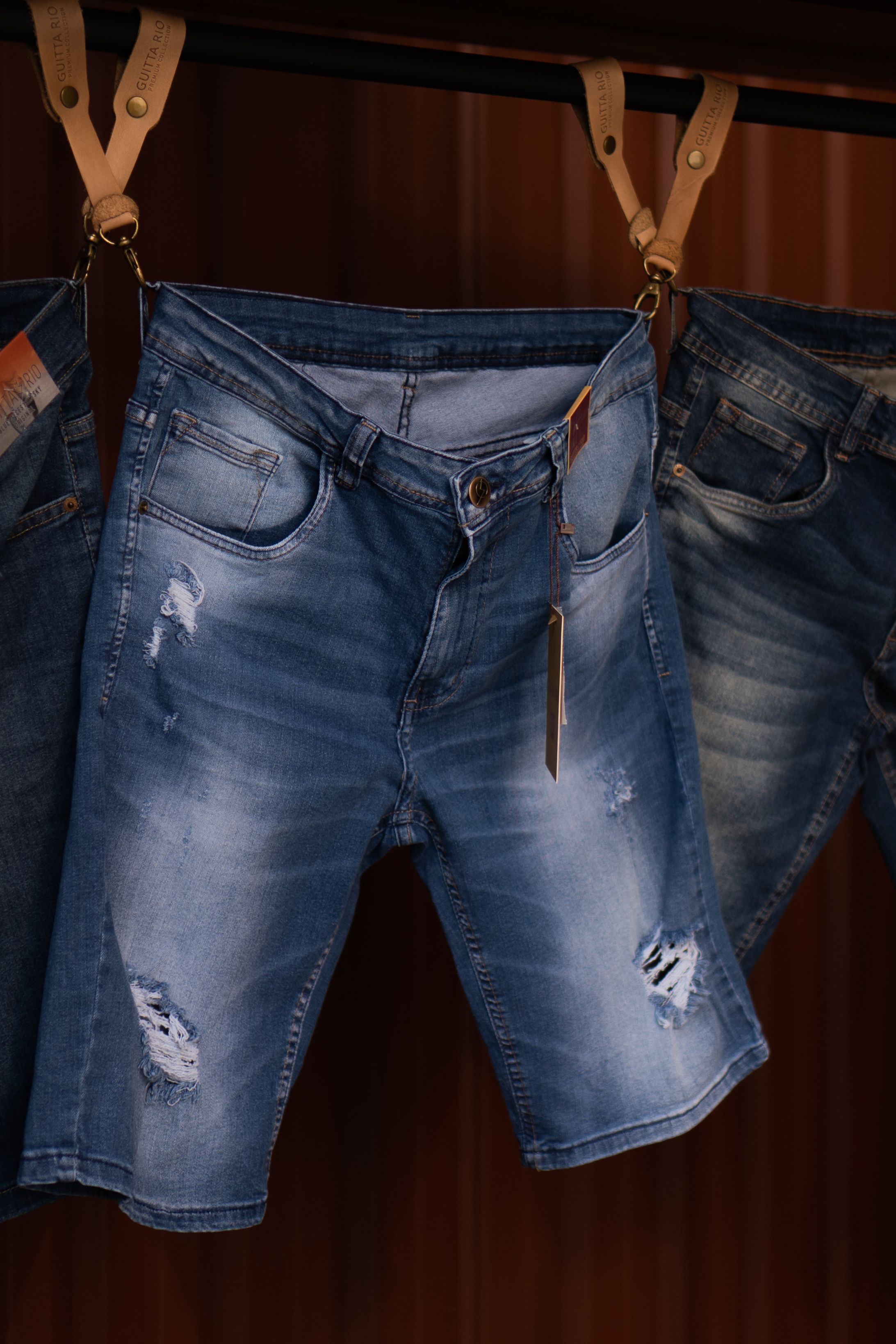
A Denim Tears hoodie is worth it if you wear hoodies constantly, are after a heavyweight garment with a multi-year life in it, and treat the design as work rather than as a badge. It is not worth it where the motive is signalling, the taste is seasonal, or the budget has to stretch. Everything else the label makes runs on the same logic — the denim tears jeans built on Levi’s 501s, the tees, the sweatpants often searched for as denim tear pants — and the collaborations with Converse, Stüssy and Dior land at the same premium tier. As clothing you will wear, at a price that does not hurt, the arithmetic works. As an asset or an obligation, it falls apart. The dullest test is the one that works: run the next thirty days in your head, count the days you would wear it, and let that number decide rather than the drop calendar.
Schreibe einen Kommentar